Loading...
Serving Orem, UT and surrounding areas. (385) 486-0154
Need a solid foundation block wall in Orem? We build load-bearing CMU walls with proper drainage, frost-depth footings, and full city permits handled for you.
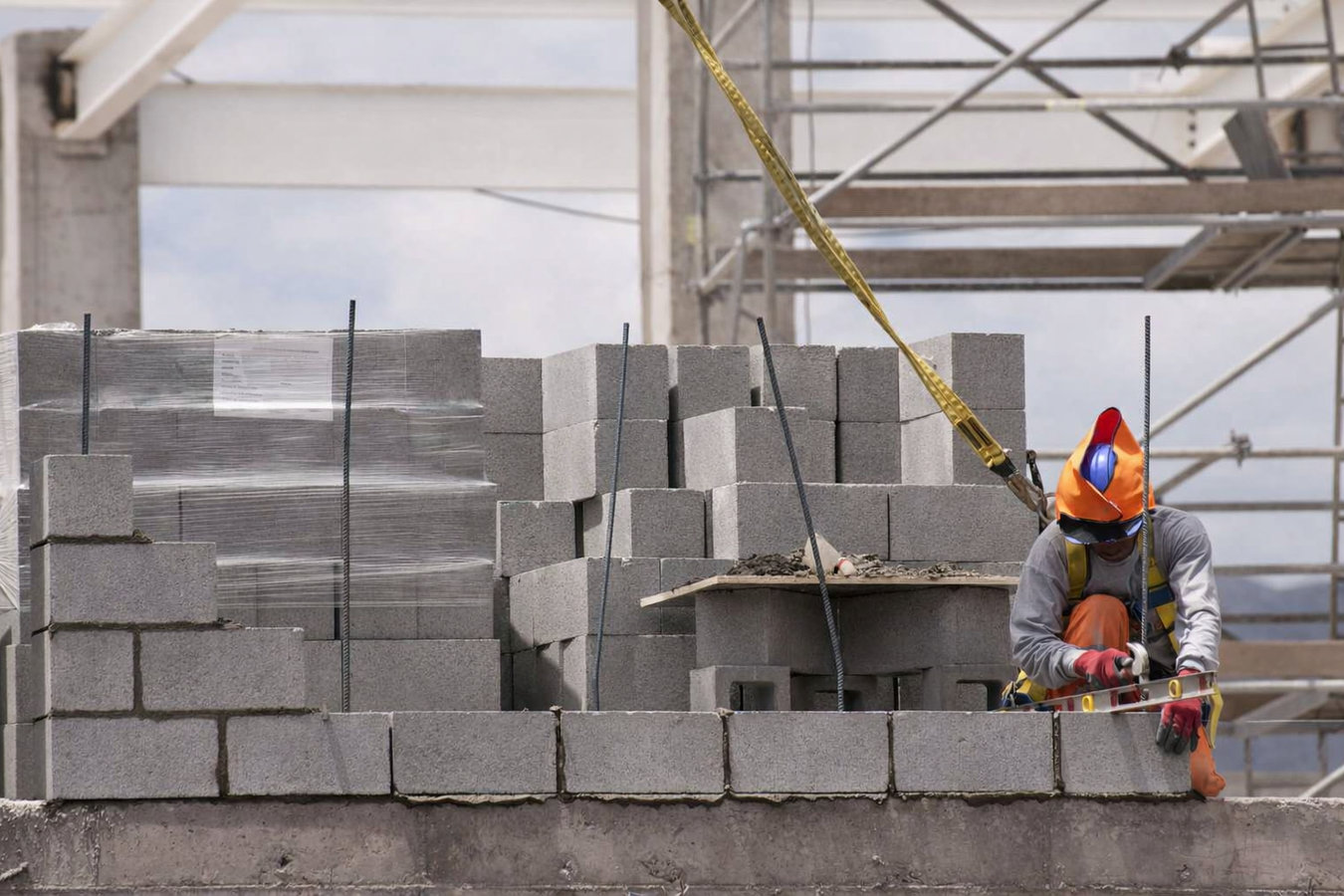
Foundation block wall installation in Orem means building a load-bearing wall from stacked concrete masonry units - the large hollow blocks that form the structural base of a home - most residential projects in the area take three to seven working days once permits are in hand. These walls hold up the floors and walls above while keeping surrounding soil from pressing in. They are one of the most common foundation types in Utah County homes built over the past several decades.
If you are seeing horizontal cracks in your basement or crawl space wall, or if you are planning to finish a basement or add onto your home, getting the foundation wall right is the starting point for everything else. Orem sits on clay-heavy soil left behind by an ancient inland sea, and that soil expands and contracts with moisture - a detail that shapes how every foundation project in this valley should be built. If your project also involves structural walls elsewhere on the property, our foundation repair service covers existing walls that need correction before new work can begin.
Horizontal cracks in a block wall are one of the clearest signs that soil pressure is pushing in from outside. In Orem, this is especially common in homes near the valley floor where clay-heavy soils expand and contract with the seasons. If you can fit a quarter into the crack, call a contractor - do not wait for it to widen.
Stand back and look at your foundation wall from across the room. If the middle appears to curve inward - even slightly - the wall is under stress it was not designed to handle. Orem's freeze-thaw winters can accelerate this movement in walls that lack adequate drainage behind them. A bowing wall does not fix itself; it gets worse over time.
Damp spots, white chalky deposits, or actual water coming through your block wall in spring are signs the drainage behind the wall is not doing its job. Utah County's spring snowmelt can push a lot of water into the soil quickly, and a wall without proper drainage will eventually let that water through - both a structural concern and a moisture problem.
If you see chunks of block face flaking off, or mortar joints that look hollow or have fallen out entirely, the wall has deteriorated past simple patching. Orem's high-UV summers and hard winters wear down older masonry, and walls built before modern standards may simply be at the end of their useful life. A contractor can tell you quickly whether repair or replacement makes more sense.
We install residential and light commercial foundation block walls using standard concrete masonry units, with footings set below Orem's frost line and gravel drainage behind every wall. The work starts with proper site prep - excavation, footing placement, and utility locating through Utah 811 before any digging begins. From there, blocks are laid course by course with consistent mortar joints, reinforcement in the cores where needed, and a drainage layer installed before backfill closes everything up. We pull every permit through the Orem City Building Division and coordinate all required inspections.
Foundation block wall work often connects to other projects. When a homeowner is building an addition or finishing a basement, we frequently coordinate with outdoor kitchen masonry or surface-level work happening at the same time. We also regularly handle foundation repair on existing walls before new block wall installation begins - addressing any existing damage first protects the new structure from the start. For more information on industry standards, the National Concrete Masonry Association publishes technical resources on block wall construction used by contractors across the country.
Best for homeowners building an addition, finishing a basement, or replacing a failed foundation wall from the ground up.
Suits situations where one section of a wall has failed or been damaged while adjacent sections are still structurally sound.
Right for homeowners whose existing wall is structurally intact but lacks the drainage system needed to handle Orem's wet springs.
Orem sits at roughly 4,700 feet elevation, and the ground freezes repeatedly from November through March. When water in the soil freezes, it expands and pushes against foundation walls - a process called frost heave. A wall built without footings set below the frost line can shift or crack in just a few winters. On top of that, much of the valley floor sits on ancient Lake Bonneville sediment: clay-heavy soil that swells when wet and shrinks when dry, putting relentless lateral pressure on any wall holding it back. Homeowners in Spanish Fork and Provo face these same soil and frost conditions, and we bring that same local knowledge to every project we take on across the area.
Orem City's Building Division requires a permit for all structural foundation work, and inspections happen at key stages before the wall is backfilled. The permit process adds time to the project, but it also creates a documented record that the work was done correctly - which matters enormously when you sell your home. Utah County's rapid residential growth means reputable masonry crews book out several weeks in advance during the spring and summer building season. If your project has a deadline, reaching out earlier gives you far better scheduling options. The Utah Geological Survey publishes soil hazard maps for Utah Valley that show where expansive clays are most concentrated - worth reviewing if you are in a lower-elevation neighborhood closer to Utah Lake.
We respond within one business day. Tell us roughly where the wall is, what you are trying to accomplish, and any concerns you already have - that helps us prepare useful questions before the site visit.
We visit your property, assess soil conditions and wall dimensions, and give you a written itemized estimate covering labor, materials, drainage, excavation, and permit fees. In Orem, structural foundation work almost always requires a permit - we discuss that upfront, not after you have signed anything.
Once you approve the estimate, we apply for the Orem City building permit and get your project on the schedule. Permit issuance typically takes one to two weeks. We call 811 to locate underground utilities before any digging begins.
Active construction takes three to seven days. The city inspector visits before backfill. Once the final inspection passes, we complete drainage installation and cleanup - and you receive the permit closure document for your home records.
No obligation. We reply within one business day and can usually schedule a site visit within the week.
(385) 486-0154Orem's elevation means the ground freezes deep enough every winter to shift a wall built without footings below the frost line. We account for local frost depth on every foundation wall project, not just the minimum required by code. That difference is what separates a wall that lasts decades from one that cracks in three winters.
We pull every permit through the Orem City Building Division and coordinate all required inspections. You receive the signed permit closure document at the end of the project. That paperwork is not just a formality - it is a record that protects your home's value and your ability to sell without complications.
Orem's clay soils hold water and push hard against foundation walls every wet spring. Every wall we build includes gravel backfill and a drainage outlet sized for local soil conditions - not an afterthought, but a standard part of how we design and price every project. A wall without drainage in this valley is an incomplete wall.
We do not provide verbal quotes or lump-sum figures that hide what you are actually paying for. Every estimate breaks out labor, materials, drainage, excavation, and permit fees as separate line items. That transparency lets you compare our quote against anyone else's on an equal basis - and it means you know exactly what you are getting before any work begins.
These are not selling points - they are the specifics of how we do the work. If you want to verify contractor licensing independently, the Utah Division of Occupational and Professional Licensing maintains a public database you can search by name or license number in under two minutes. We encourage homeowners to use it before hiring any contractor for foundation work.
Turn your backyard into a permanent cooking and entertaining space built with brick, stone, or concrete block.
Learn MoreAddress cracks, bowing, and water intrusion in existing foundation walls before building or expanding on top of them.
Learn MoreOrem crews book out fast in spring and summer - reach out now to lock in your start date before the season fills up.