Loading...
Serving Orem, UT and surrounding areas. (385) 486-0154
Orem Masonry & Concrete is a masonry contractor serving Lehi with driveway paver installation, retaining wall construction, and brick repair, and our crew has been working across Utah County since 2019.
We respond within 1 business day, handle permits through Lehi City when required, and build every base deep enough to handle the clay soils and freeze-thaw winters that crack concrete driveways throughout this valley.
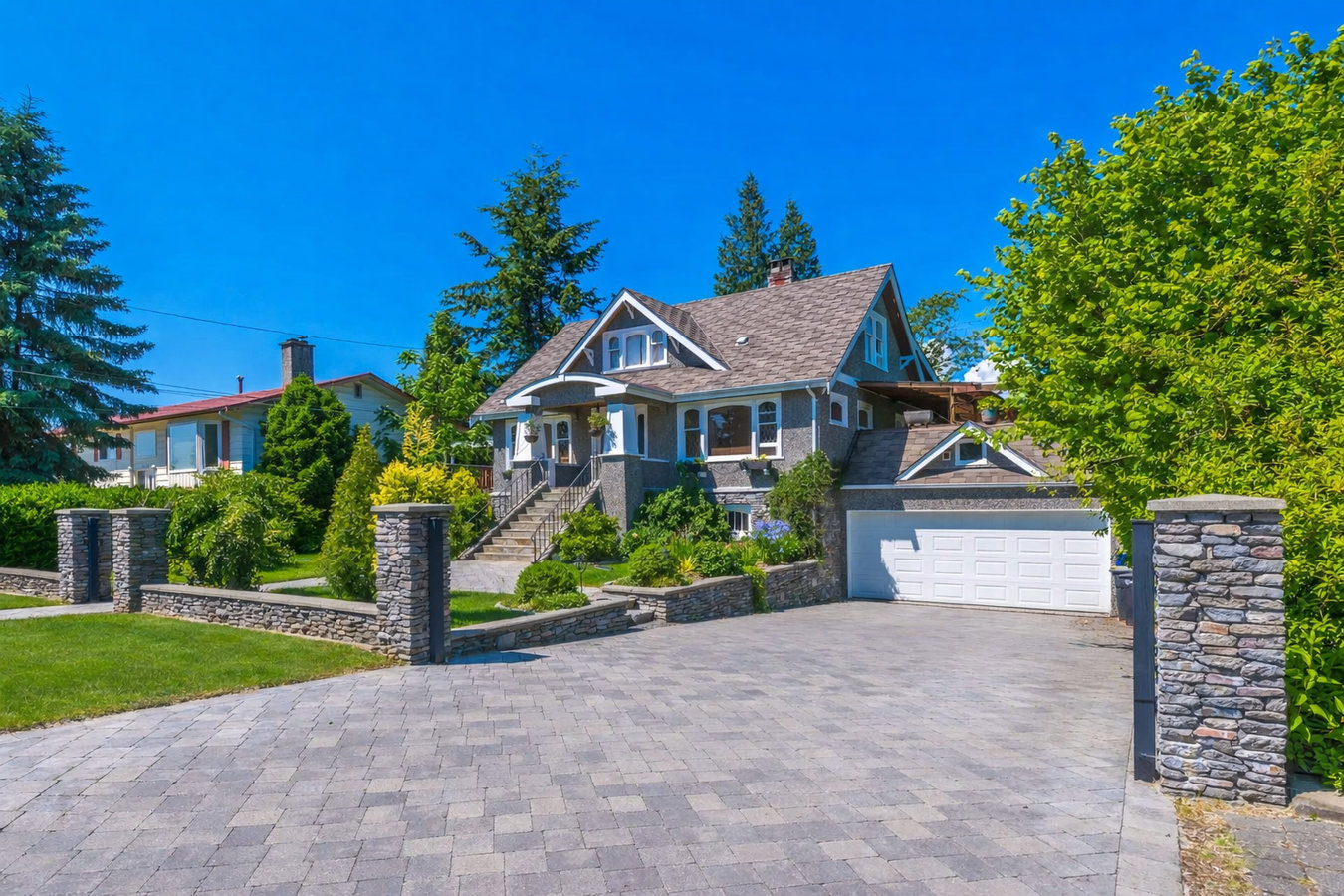
Lehi's freeze-thaw winters and clay-heavy soils are exactly the conditions that cause poured concrete driveways to crack and settle - often repeatedly. Paver driveways flex with ground movement rather than fighting it, and individual pavers can be reset or replaced if one section shifts, making them a more practical long-term choice for homes in this climate. Our driveway paver installations use a deeply compacted gravel base sized for Lehi's soil conditions, not a one-size-fits-all spec.
Homes in Traverse Mountain and other hillside neighborhoods on Lehi's east side often have yards with significant grade changes where usable space is limited by slope. A properly engineered masonry retaining wall creates flat, functional outdoor area - and on Lehi's clay soils, drainage behind the wall is not optional if you expect it to hold for more than a few years.
Most of Lehi was built by production homebuilders in large subdivisions during the 2000s and 2010s. Similar floor plans, similar materials, similar timelines - which also means similar maintenance windows. Homes with brick accents from those eras are now old enough that mortar joints are beginning to soften, and addressing them now with tuckpointing costs a fraction of what brick replacement or moisture remediation runs later.
Much of Lehi is built on ancient Lake Bonneville lake sediment - fine-grained, clay-heavy soil that expands when wet and shrinks in dry summers. That seasonal movement puts gradual lateral pressure on foundation walls over time. Homes near the freeway corridor and on the west side of the city, where the soil is deepest and most expansive, are the ones we see with the earliest signs of foundation stress.
Brick accents on Lehi homes from the 2000s building era are now 15 to 25 years old - old enough to show spalling faces and crumbling joints from years of UV exposure and freeze-thaw cycles. Lehi's older downtown area near the Lehi Roller Mills has a smaller stock of century-old brick structures that need more involved repair and careful material matching to preserve the original look.
Production-built Lehi homes from the early 2000s typically have original concrete walkways poured at the same time as the house - which means they have been through the same two-decades-plus of freeze-thaw cycles as the driveway. A new walkway built with a proper base and expansion joints handles Utah's temperature range without cracking through, and adds meaningful curb appeal in a housing market where values have climbed sharply.
Lehi is one of the fastest-growing cities in the country. The population has more than tripled since 2000, and thousands of homes were built in large subdivisions during the 2000s and 2010s. Those homes are now hitting the 15-to-25-year mark - the window when concrete flatwork cracks from cumulative freeze-thaw damage, mortar joints begin to fail, and retaining walls start to show drainage problems. Lehi also has a geographic challenge that makes masonry work here more demanding than in many neighboring cities: much of the city sits on ancient Lake Bonneville lake sediment, the same fine-grained clay soils left behind when a prehistoric lake drained from this valley. Those soils expand and contract with seasonal moisture, shifting concrete slabs and putting pressure on foundation walls in ways that do not stop on their own.
The climate adds to the challenge. Lehi sits at roughly 4,500 feet elevation, and winters bring consistent freezes from November through March. When temperatures swing above and below freezing in late fall and early spring - sometimes multiple times in a single week - any water that has worked its way into concrete or masonry cracks freezes, expands, and makes those cracks wider. By the time most homeowners notice the damage in spring, it has been building for two or three seasons. A masonry contractor who works in Lehi regularly will design bases, footings, and drainage systems for these specific conditions rather than treating them as unusual variables.
Our crew works throughout Lehi regularly, and we coordinate with the Lehi City Public Works department on permitted projects. We understand the local permit process and what the city expects on retaining wall, foundation, and block wall work - which avoids delays between estimate and final inspection. Some Lehi neighborhoods, particularly newer master-planned communities, have active HOAs that regulate driveway materials and exterior finishes; we are familiar with these requirements and confirm them before finalizing material selections.
Lehi is a genuinely varied city. Thanksgiving Point sits near the center and draws visitors from across the state, while the Traverse Mountain community on the east side is a hillside neighborhood with mountain views and homes built on more complex terrain than the flat valley-floor subdivisions near the freeway. The historic Lehi Roller Mills - operating since 1906 and nationally famous for its appearance in "Footloose" - anchors the old downtown area, where a smaller number of century-old homes and commercial buildings have a completely different set of masonry needs than the production-built subdivisions. We work in both parts of the city.
We also serve the communities that border Lehi to the west. Homeowners in Saratoga Springs - which sits just across Utah Lake's northern shore from Lehi - deal with the same Lake Bonneville soils and freeze-thaw conditions, and you can find information about our work there on the Saratoga Springs masonry page. To the south, homeowners in American Fork are in our regular service area as well.
Call us or submit a request online. We respond within 1 business day and ask enough questions upfront - service type, property address, what you are seeing - so the site visit is focused and efficient.
We come to the property, evaluate soil conditions, drainage, and access, and give you a written estimate before any work begins. Cost is addressed openly at this stage - including whether permits are needed and what they add to the timeline.
We pull required permits through Lehi City before the crew arrives. You do not need to be on-site every day, but we confirm a start window and communicate any schedule changes. Most residential projects run two to five days for flatwork and up to seven for structural masonry.
When the work is complete, we walk the site with you and answer any questions before we leave. For permitted structural work, the city inspector provides an independent final verification that the job meets code - we schedule that inspection as part of the normal workflow, not as an afterthought.
We serve all of Lehi, UT, from Traverse Mountain to the valley floor. No obligation - just a clear written estimate from a crew that works in this area regularly.
(385) 486-0154Lehi is a rapidly growing city of more than 75,000 residents at the northern edge of Utah County, where Utah Valley meets Salt Lake Valley. It sits at the base of the Wasatch Mountains to the east, with Utah Lake along its western border. The city has become closely identified with "Silicon Slopes" - the stretch of northern Utah County packed with tech employers including Adobe, Ancestry, and dozens of other companies. That economic energy has driven explosive residential growth, with large master-planned subdivisions going up throughout the city. Thanksgiving Point - a major family attraction with a dinosaur museum, farm, and gardens - sits near the center of the city and is a landmark nearly every Lehi resident knows. On the east side, the Traverse Mountain community rises into the hillside and features newer homes with mountain views and more complex terrain than the flat valley-floor neighborhoods closer to I-15.
Most of Lehi's housing stock was built between 2000 and 2020 by production homebuilders, giving entire neighborhoods similar floor plans, similar materials, and similar maintenance timelines. Older Lehi - the blocks near the historic downtown and the Lehi Roller Mills, operating since 1906 - has a smaller collection of century-old structures that represent the city's original character. Whether your home is a newer subdivision build on Lake Bonneville clay soils or an older property near downtown, the freeze-thaw winters and soil conditions here create real, predictable maintenance needs over time. We work across all of Lehi, and the neighboring cities of Saratoga Springs and American Fork are part of our regular service area as well.
Expert block wall foundations for new and existing structures.
Learn MoreOur crew covers all of Lehi, UT. Call us or submit a request and we will respond within 1 business day with a clear, written estimate.